Websites for 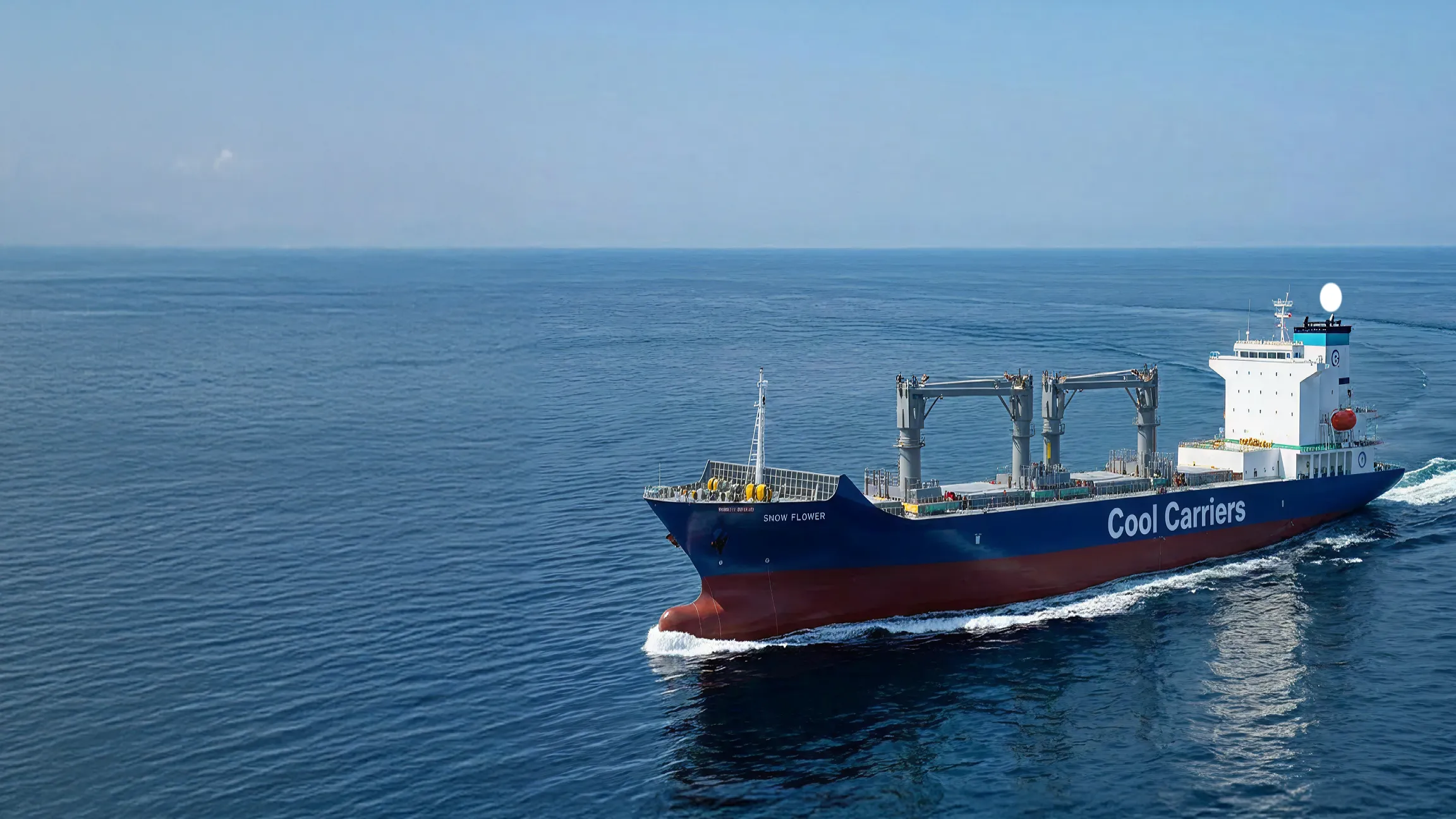
 logistics
companies
Award-winning agency
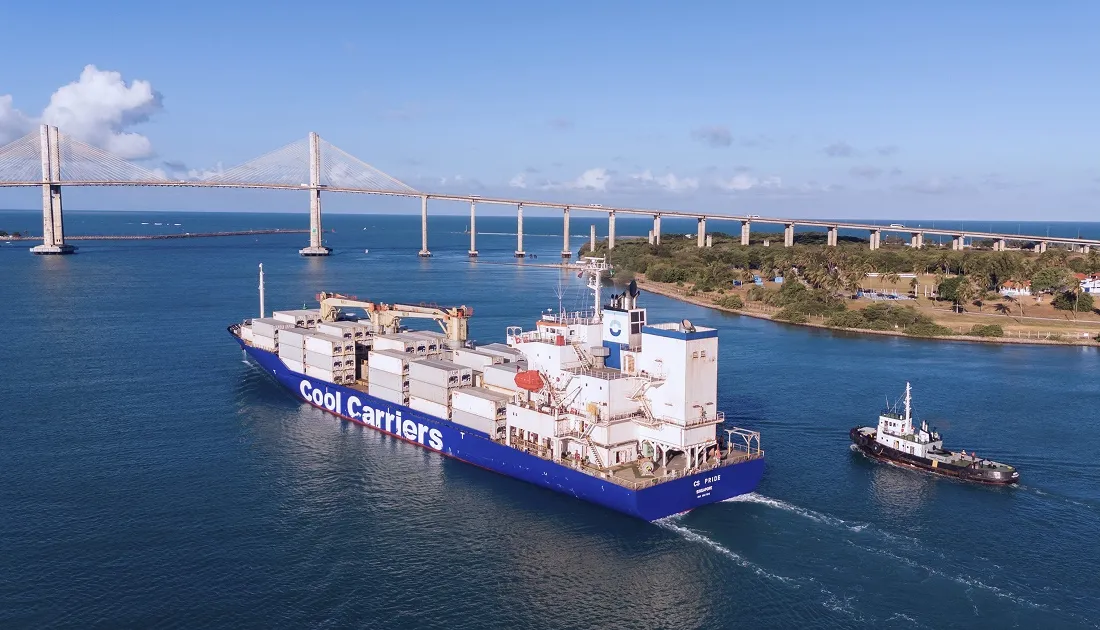
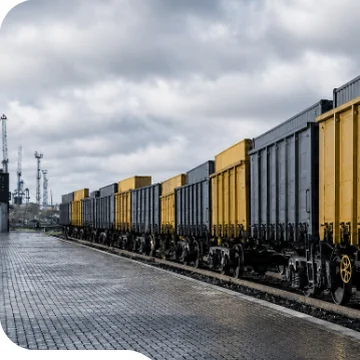
Fleet and route pages, schedules, quote forms and a CMS your team runs on its own. Our latest: one website for Cool Carriers and its 50 reefer vessels.
Request a project estimate- 8
- years of building custom software
- 250
- engineers and designers in our network
- 4.9
- on Clutch, from 30 verified reviews
50 Reefer Vessels,
One Website in Two Languages
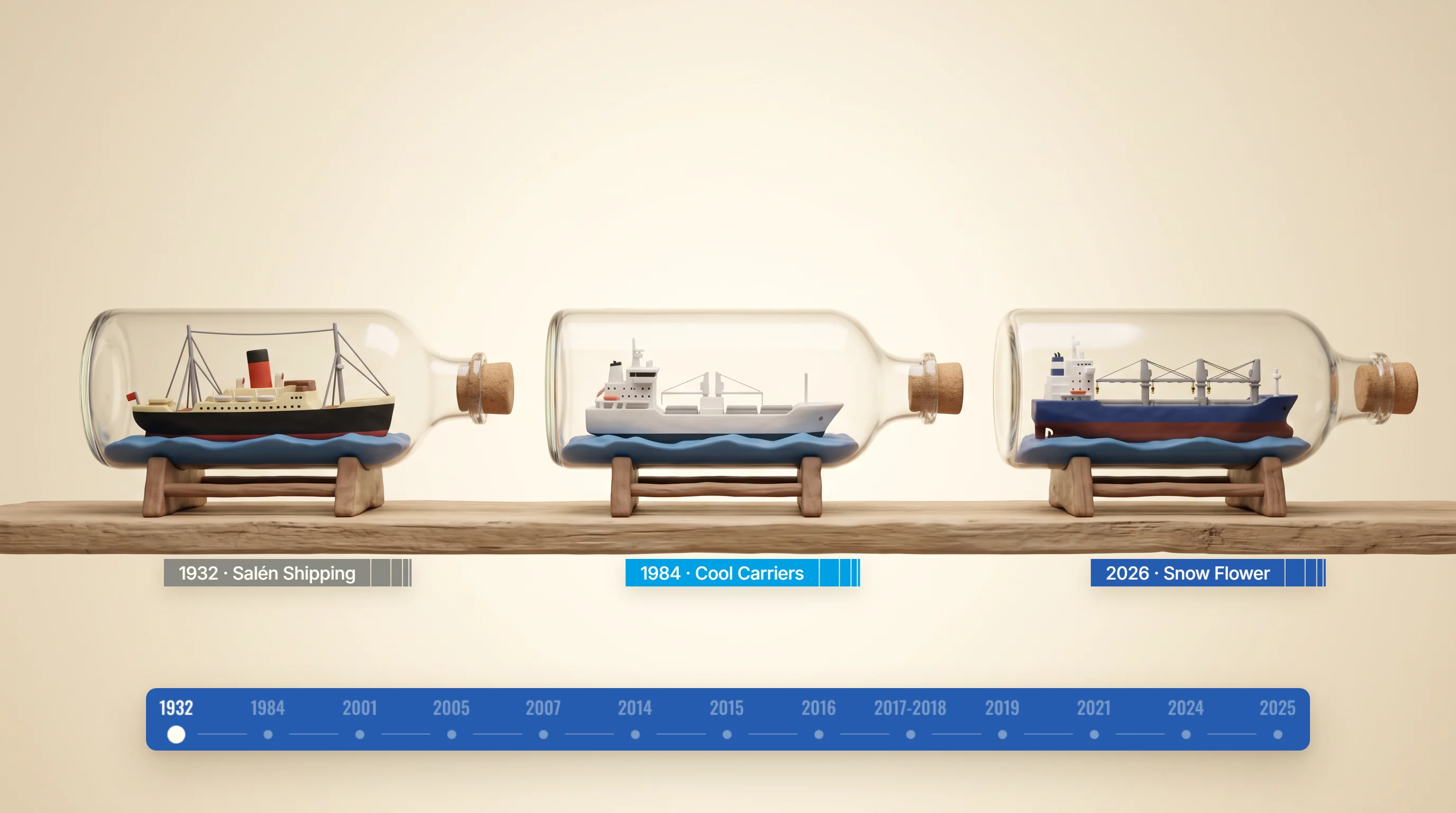
Cool Carriers is a reefer shipping company. Its 50-vessel fleet carries fruit, vegetables, meat and fish, and its history goes back to 1984. The head office is in Cyprus, with offices in Sweden, Chile, New Zealand, the USA and South Africa.
Each region had its own website. They looked outdated and didn't show the company's scale. We replaced them with one site in English and Spanish.
A visual system from scratch
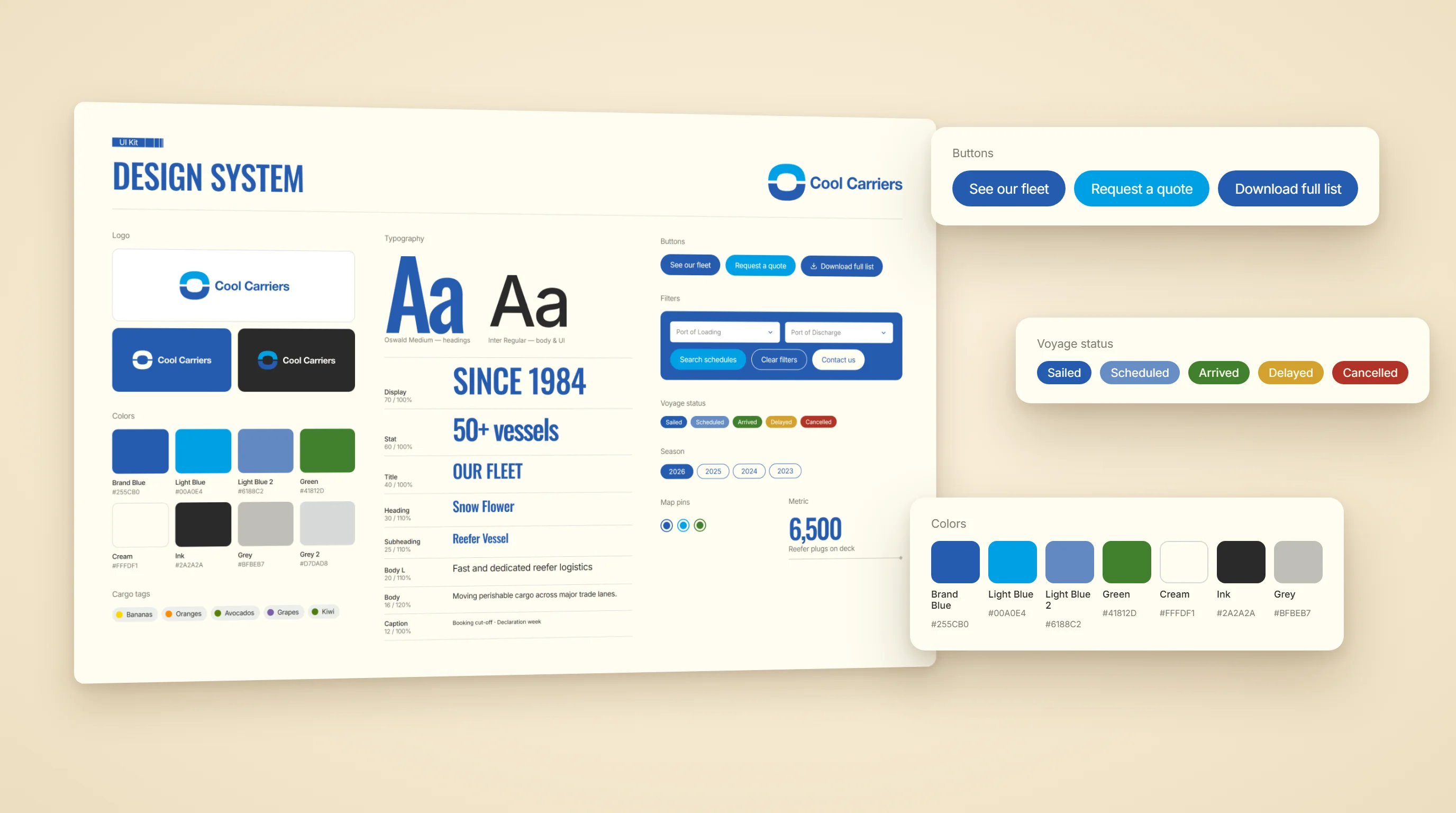
The brand existed as a logo and a color palette. We started with a design workshop, and two weeks later the concept was approved. From it we built a design system: the colors, type and components every page is assembled from.
Fleet catalog
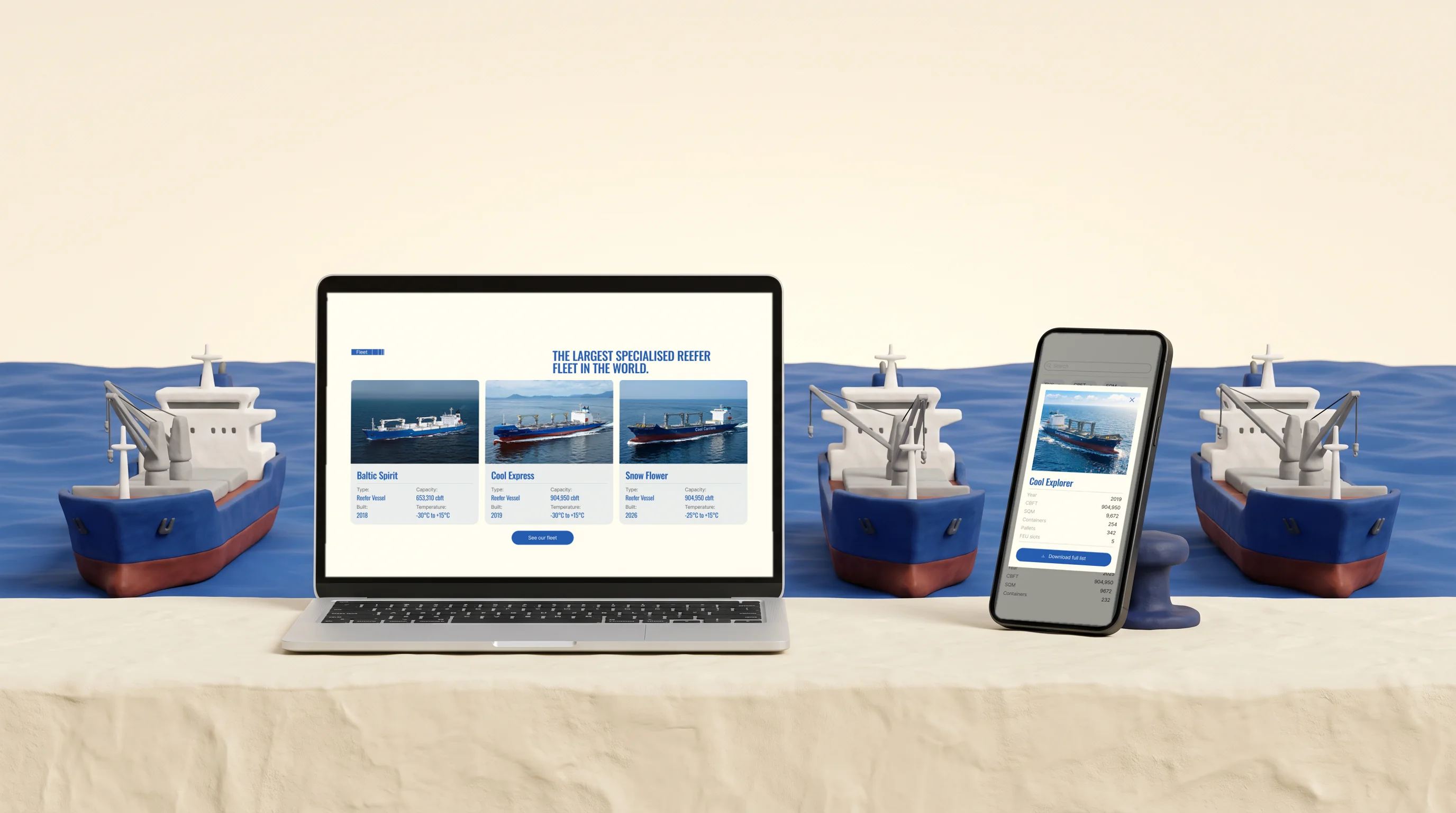
The fleet sits in one table with search and filters by year, CBFT, SQM and containers. A vessel opens with its photo and specs. The full fleet list downloads as a PDF.
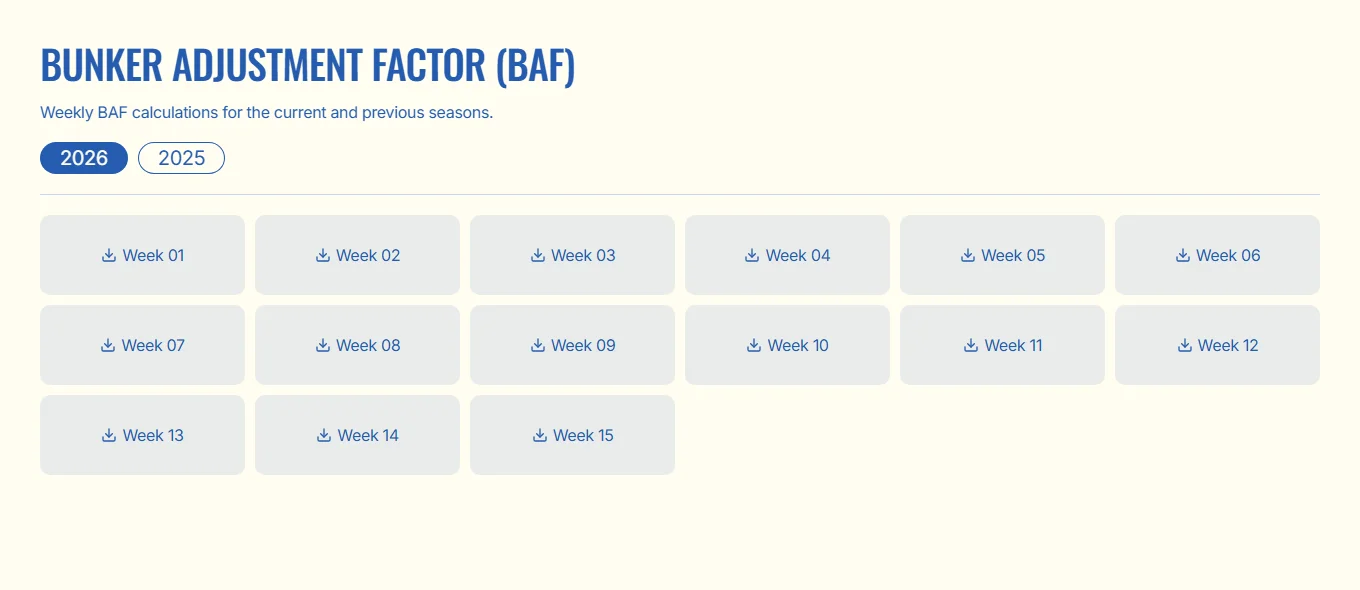
The client knew the rules. We built them in
Mid-project, the client told us the Chile trade must publish weekly bunker adjustment factor (BAF) reports by regulation. We added a BAF archive to the Chile page, next to a vessel schedule on the operator's API and the client portal login. You know your trade's rules best: tell us what your regulators expect, and we build it into the site, even mid-project.
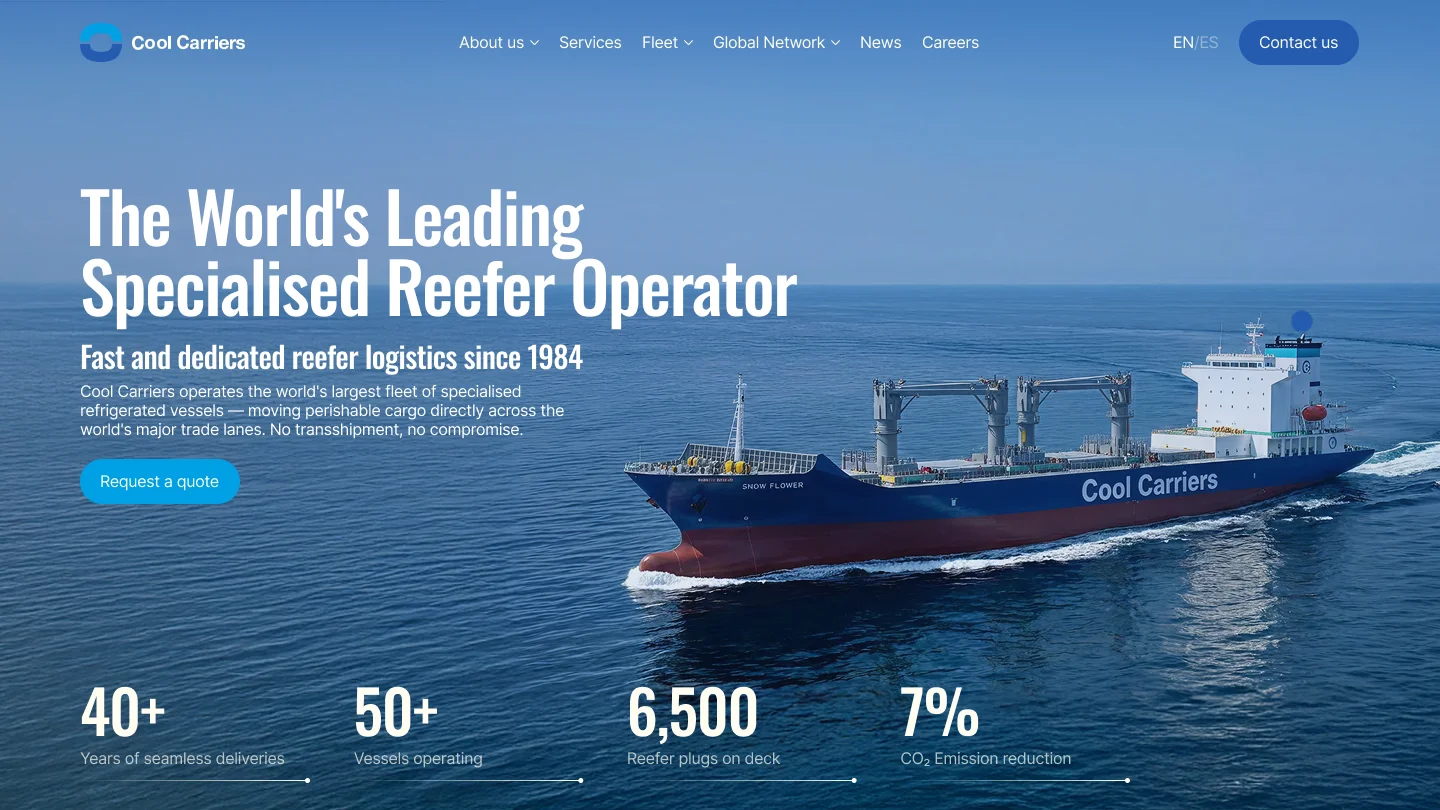
Content in your team's hands
At Cool Carriers, editors change texts, photos, vessels and vacancies in the CMS, and the Chile team runs the Spanish version on its own. Contact and quote forms send each request to the office the visitor chose. You get the same: your team updates the site without waiting for a developer.
Before designing anything, they asked who actually uses our site and why: partners doing due diligence, customers looking for routes and schedules, candidates, media. The structure was built around those people. The site runs on our own infrastructure, the content is managed in a CMS our team already uses, and there is no vendor lock-in. As Imaga put it, ‘your team can take it from here’, and that turned out to be true.
More websites
we built
Corporate websites for companies with many offices, audiences and languages.
A website in 5 languages for 12 offices in 8 countries
Azurite Logistics, a multimodal operator on the Eurasian corridor: road, rail, sea, air and customs on one site.
azuritelogistics.com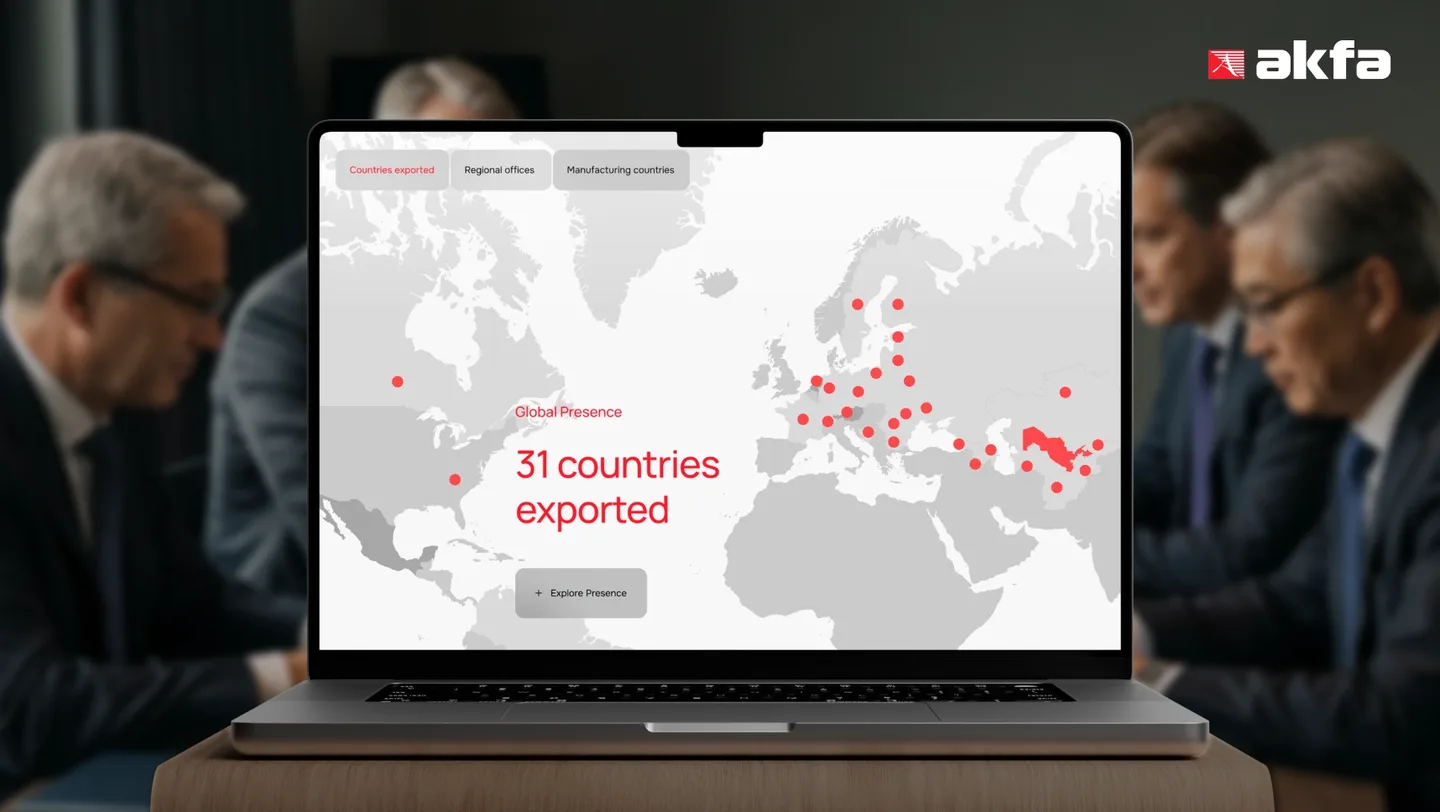
40+ companies on one corporate website
One multilingual site shows the whole AKFA group to partners and investors. Built in 5 months.
Read the case
A redesign built around three audiences
Separate paths for tenants, visitors and business owners, a full English version and a buyer journey that ends in a qualification form.
Read the caseCorporate website
delivery roadmap
How we take a corporate website from the content plan to traffic that turns into leads.
AI-native
development
One senior full-stack developer with a team of AI agents builds the frontend, backend and infrastructure.
The agents work in parallel: one lays the foundation, others build pages, each in its own branch. The developer sets the tasks and checks the results. This is how we built Cool Carriers in 96 days.
Every change goes through one loop
- One taskOne branch and one pull request per task.
- Checked where it runs“Done” means checked on the target environment. A green CI is not enough.
- A second pair of eyesA separate reviewer agent, with no chat history, checks the code.
- A person signs offNothing merges without a person's explicit approval.
Then the next task starts the loop again.
Beyond
the website
A website is often where we start. Behind it, we build the systems your team works in and add AI where it saves hours. Two clients below keep their names private: we walk you through their projects on a call.
Route planning for a road-freight company
10,000fields of historical data moved off spreadsheets and reconciled
Ask about this projectFleet ERP for a banking group
300+formulas replaced by a new calculator
Ask about this projectWe find where AI saves your team hours and build it into the systems you already use
Our AI expertise
We build a free proof of concept: a mini version of the project with limited features and no design.
We work from your business goals
and put user experience first
We add AI only where it gives you an unfair advantage.

“Clients don't come to us for a website. They come for what the website should bring them. So we start by asking which numbers in your business need to change, and if the job can be done without development, we say so right away.”
Dmitriy Alexeev, CEO
Independent assessment of our work
Our awards
How clients rate us

30 verified reviews from our clients. Clutch checks each one.
Read the reviewsQuestions from first calls
We set calls in your working hours. At Cool Carriers, we had a sync call every week, and each one ended with a written summary of decisions and next steps.
Fixed price for an agreed scope. The Cool Carriers website took five months from kickoff to launch. For internal systems, we name the timeline after discovery, once the scope is clear.
No. A website is often where we start. Behind it, we build internal systems, such as a route-planning CRM for a road-freight company and a fleet ERP, and add AI where it saves your team hours. Examples are in “Beyond the website” above.
Yes, through its API or data exports. At Cool Carriers, the vessel schedule runs on the operator's API. Until the API was ready, the interface worked on test data, so the integration never held up the design.
Yes. Before launch we map every old page to a new one and set up redirects, so links and search rankings carry over.
Yes. Access is set by role and office. At Cool Carriers, the Chile team edits the Spanish version directly, with no developer involved.
Where you choose. The Cool Carriers site runs on the company's own infrastructure, with no vendor lock-in. For AI, we agree on the setup during the proof of concept, including running models inside your environment.
Often plain automation is enough, and we say so. We start by asking which numbers in your business need to change. If a task is solved without AI, we build it without AI.